
Restaurant Website Design in Egypt for Menus and Direct Orders
Article body starts below
Restaurant website design in Egypt should start with the decisions a hungry customer needs to make. Can they see the current menu, choose the right branch and understand how to order? A useful restaurant website connects those decisions to a process the restaurant can reliably operate.
For an owner in Alexandria, the brief may include dine-in discovery, delivery inquiries and collection orders. Each journey needs different information. A beautiful homepage cannot compensate for an outdated menu or an order that nobody receives.
Choose the ordering model before choosing the design
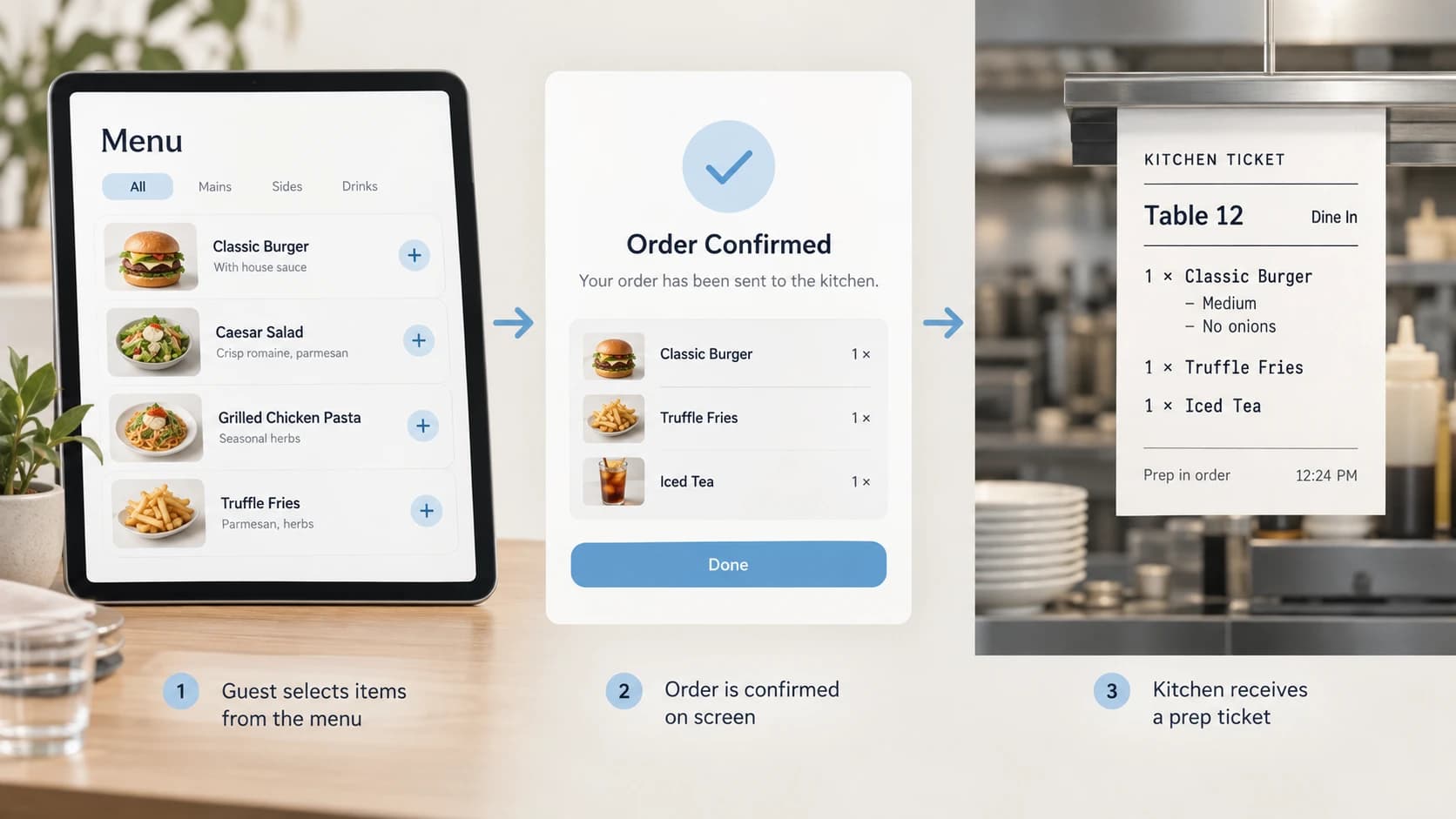
Decide whether customers will call, send a WhatsApp message, use an external ordering platform or complete an order on your website. A direct checkout needs order management, payment handling and a clear acceptance process. A menu with a contact button is a smaller project with different responsibilities.
Write down what happens after submission. Does the kitchen receive the order automatically? Must a member of staff accept it? When does the customer receive confirmation? These answers determine the scope of development and prevent a successful screen message from hiding a failed order.
Keep the first release manageable. If your team cannot maintain live availability, avoid presenting stock as real time. Explain the confirmation step clearly and use a process staff can support during a busy shift.
Give each menu item enough information
Use readable text for menu categories, item names, descriptions and prices. A photograph of a printed menu can be helpful as an extra, but it should not be the only way to browse. Customers need to find dishes, compare options and read comfortably on a phone.
Specify sizes, permitted add-ons and any selection that changes the price. The restaurant should supply and approve ingredient and allergen information. Keep photos representative of the actual serving and make unavailable items easy for staff to update.
Create a simple editing workflow. A manager should know how to change a price, pause an item and update opening hours without asking a developer to rebuild the page. Include that demonstration in the handover.
Treat branches and delivery areas as operating rules
If you have several real branches, explain which branch serves the customer. Display accurate addresses, contact details and hours. A delivery location should determine the available branch or trigger a clear check before an order is accepted.
List delivery fees, minimum order conditions and estimated timing wherever they affect the decision. Do not promise a delivery area just because a city name might attract searches. A visitor outside your coverage should find out before entering the whole order.
For businesses expanding from Egypt to Saudi Arabia or the UAE, review language, currency, branch coverage and the actual payment and delivery providers separately. One translated menu does not establish a working service in another country.
Design the mobile journey around the meal
Start with the menu and the next action. Make categories easy to navigate and keep selected items visible. Large photographs need appropriate compression so that customers can reach the food information without unnecessary waiting.
Check the experience with a realistic order containing variations and a note. A customer should be able to edit an item, see the total and understand whether payment has succeeded. Error messages should say what needs attention without deleting the order.
Our guide to planning a website around its visitors explains how page structure should follow customer decisions. For restaurants, those decisions continue into the kitchen and delivery process.
Test situations staff will actually face
Before launch, walk through these cases with the person receiving orders:
· A customer selects an unavailable item or an unsupported delivery area.
· A payment fails, is retried or succeeds while confirmation is delayed.
· Two taps submit the same order.
· The restaurant closes early or pauses delivery.
· A customer asks to change or cancel an accepted order.
Use test data and an agreed test payment process. Confirm that staff can find the order, understand its status and contact the customer through the approved channel. Record responsibility for refunds and exceptions in the operating process.
Questions to ask a website development company
Can a restaurant begin without online payment
Yes, if the selected ordering method and confirmation process are clear. Define the first release around the restaurant's current operations, then add payment when the full journey can be supported.
What should the project handover include
Request access ownership, menu editing instructions, provider details, backups, maintenance scope and a demonstration of order handling. Agree which integrations are included and which require a separate subscription or project.
How should the restaurant measure the website
Track completed and accepted orders separately from menu views and contact clicks. Compare cancellations and fulfillment problems with the original orders. More visits are useful only when the restaurant can serve the demand.
Crest Wave combines website development with marketing services. Send your menu, branch details and preferred ordering process so we can discuss a suitable project scope.